
Ceramic Coating vs Paint Protection Film (PPF): Which Is Right for Your Car?
You want to protect your vehicle’s paint, but you’re stuck between two of the most popular options on the market: ceramic coating and paint protection film (PPF). Both deliver real results, but they work in very different ways.
This guide breaks down exactly how ceramic coating and PPF compare across protection, durability, cost, maintenance, and appearance so you can make a confident decision. And if you need both? We’ll cover that, too.
At SC Window Tinting in Puyallup, WA, we install both ceramic coatings and PPF every day. We’re not here to push one over the other. We’re here to help you find the right protection for your vehicle, your budget, and your driving conditions.
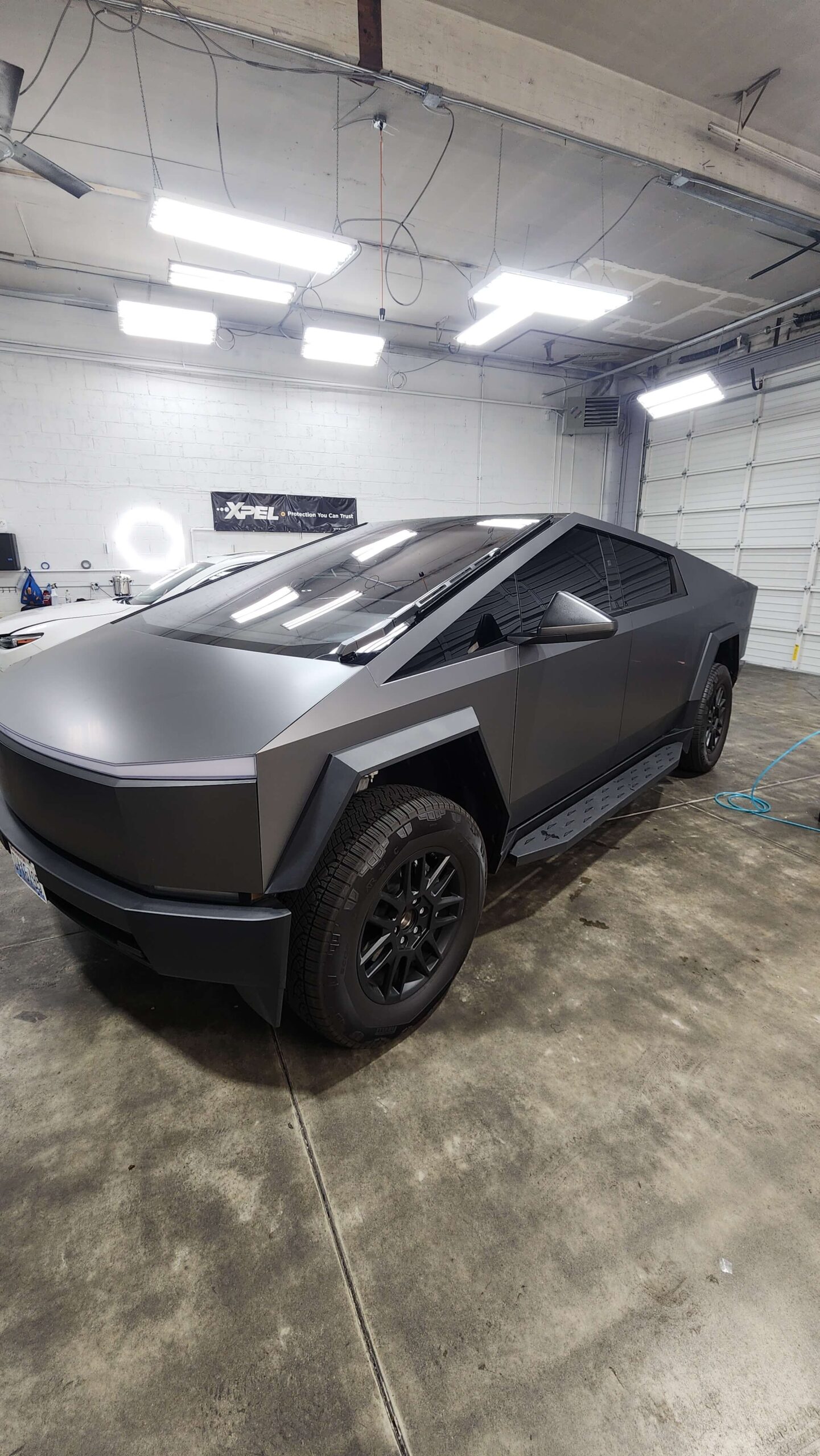

Authorized XPEL Installer
In Brief: Ceramic Coating vs PPF at a Glance
Ceramic coating is a liquid polymer that chemically bonds to your vehicle’s paint, creating a hydrophobic, glossy layer that repels water, dirt, and UV damage. It makes maintenance easier and enhances appearance, but it doesn’t protect against physical damage, such as rock chips or deep scratches.
Paint protection film (PPF) is a thick, transparent urethane film applied to vulnerable areas of your car. It absorbs impacts from rock chips, road debris, and minor scratches, and premium films like XPEL even self-heal from light surface damage. PPF provides the strongest physical defense available, but it doesn’t deliver the same depth of gloss or hydrophobic properties that ceramic coating offers on its own.
The short answer: ceramic coating is ideal for easier maintenance and enhanced appearance. PPF is the choice when physical paint protection is the priority. Many vehicle owners in the Puyallup and Tacoma area combine both for complete coverage.
What Is Ceramic Coating?
Ceramic coating is a semi-permanent liquid coating that bonds directly to your vehicle’s clear coat at the molecular level. Once cured, it creates a hardened, transparent layer that dramatically changes how your paint interacts with the environment.
Professional-grade ceramic coatings, like the XPEL FUSION PLUS™ system we use at SC Window Tinting, are applied by trained technicians after thorough paint preparation, including a wash, decontamination, clay bar treatment, and, often, a machine polish to remove existing imperfections before the coating locks in.
How ceramic coating protects your vehicle:
Hydrophobic surface: Water beads and sheets off the paint, carrying dirt and contaminants with it. Washing becomes significantly faster and easier.
UV protection: Shields paint from oxidation and fading caused by sun exposure, particularly relevant in the Pacific Northwest, where summer UV can be intense even on overcast days.
Chemical resistance: Defends against bird droppings, tree sap, acid rain, bug splatter, and road salt – all common hazards for drivers in the Puyallup and Tacoma area.
Enhanced gloss: Creates a deep, mirror-like finish that makes paint colors appear richer and more vibrant.
Minor scratch resistance: Provides a harder surface that resists light swirl marks and micro-scratches from washing, though it will not prevent rock chips or deeper scratches.
What ceramic coating does not do: It’s important to set clear expectations. Ceramic coating is not a force field. It will not prevent rock chips, protect against parking lot door dings, or stop a shopping cart from leaving a mark. For that level of physical protection, you need PPF.
What Is Paint Protection Film (PPF)?
Paint protection film is a thick, transparent thermoplastic urethane film that’s custom-cut and applied to your vehicle’s most vulnerable surfaces. It acts as a sacrificial barrier between your paint and everything the road throws at it.
At SC Window Tinting, we install XPEL ULTIMATE PLUS and XPEL STEALTH paint protection films using precision computer-cut templates. This means exact fitment for your specific vehicle without any cutting on the paint itself, eliminating the risk of blade marks that can happen with freehand installations.
How PPF protects your vehicle:
Rock chip and debris protection: PPF absorbs impacts from gravel, road debris, sand, and small stones that would otherwise chip or scratch your paint. This is the single biggest advantage PPF holds over ceramic coating.
Self-healing technology: XPEL’s elastomeric top coat repairs light scratches and swirl marks when exposed to heat or sunlight. Surface imperfections literally disappear on their own.
Stain and chemical resistance: Protects against discoloration from bug acids, bird droppings, and road chemicals.
UV resistance: High-quality PPF does not yellow over time, helping prevent UV-related paint fading underneath.
Virtually invisible finish: XPEL ULTIMATE PLUS maintains a high-gloss, crystal-clear appearance. XPEL STEALTH preserves or creates a matte/satin look.
Coverage options: PPF can be applied to specific impact zones (partial front, full front) or the entire vehicle. The most common configurations protect the hood, fenders, front bumper, mirrors, and A-pillars, the areas that take the most abuse from road debris on highways like I-5 and SR-167 through Puyallup and Tacoma.
Side-by-Side Comparison: Ceramic Coating vs PPF
Here's how ceramic coating and paint protection film stack up across the factors that matter most:
| Feature | Ceramic Coating | Paint Protection Film (PPF) |
|---|---|---|
| Rock Chip Protection | No | Yes – primary benefit |
| Scratch Protection | Minor swirl resistance only | Absorbs + self-heals scratches |
| UV Protection | Yes | Yes |
| Chemical Resistance | Excellent | Excellent |
| Hydrophobic Properties | Excellent – strong water beading | Moderate (improved with ceramic top coat) |
| Gloss Enhancement | Significant – deep, mirror-like shine | Maintains factory finish; STEALTH adds matte |
| Self-Healing | No | Yes – heat-activated |
| Durability | 2–5+ years (professional grade) | 7–10+ years |
| Coverage | Full vehicle (paint, wheels, glass, trim, interior) | Targeted panels or full vehicle wrap |
| Maintenance | Very low – easy wash, less frequent waxing | Low – wash normally, no special products needed |
| Cost Range | $500–$2,500+ | $800–$7,000+ (varies by coverage) |
| Best For | Appearance, easy maintenance, and environmental protection | Physical paint protection from road hazards |
| PNW Consideration | Repels rain, prevents water spotting | Protects against gravel and debris on wet roads |
Pros and Cons: An Honest Look at Each Option
Ceramic Coating Pros
- Dramatically easier maintenance. The hydrophobic surface means less washing, faster drying, and far less effort to keep your vehicle clean. In the rainy Pacific Northwest climate, this alone makes ceramic coating valuable.
- Unmatched gloss and depth. Nothing else delivers the same level of paint enhancement. Your vehicle’s color will look deeper and more vibrant than the day it left the factory.
- Full vehicle application. Ceramic coating can be applied to paint, glass, wheels, calipers, plastic trim, and even interior surfaces, offering whole-vehicle protection that PPF can’t match in scope.
- More affordable entry point. Professional ceramic coating packages start lower than PPF, making it accessible for a wider range of vehicles and budgets.
- Long-lasting protection. Professional-grade coatings like XPEL FUSION PLUS™ last 2–5+ years with proper care.
Ceramic Coating Cons
- No physical impact protection: Ceramic coating will not stop rock chips, door dings, or deep scratches. If physical protection is your priority, ceramic coating alone won’t be enough.
- Not a substitute for PPF: Some marketing overstates ceramic coating’s protective capabilities. It enhances and protects, but it’s not a barrier against impacts.
- Requires proper paint preparation: For the best results, the vehicle needs thorough washing, decontamination, and often paint correction before application, which adds time and cost.
- Professional application recommended: DIY ceramic coatings exist, but rarely deliver the same durability, coverage, or results as professional installation.
PPF Pros
- Unmatched physical protection: PPF is the only product that truly prevents rock chips, gravel damage, sand abrasion, and minor impacts from reaching your paint.
- Self-healing surface: Light scratches and swirl marks repair themselves when exposed to heat, keeping the film looking like new for years of daily driving.
- Long lifespan: Premium PPF like XPEL lasts 7–10+ years with professional installation and normal care.
- Preserves resale value: By keeping your paint in factory condition underneath, PPF directly protects your vehicle’s resale and trade-in value.
- Removable without damage: When it’s time to replace, professional removal leaves the original paint untouched.
- Virtually invisible: High-quality films like XPEL ULTIMATE PLUS are nearly undetectable once installed.
PPF Cons
- Higher upfront cost: Full front coverage typically costs more than a full-vehicle ceramic coating. Full-vehicle PPF wraps are a significant investment.
- Typically applied to high-impact areas only: Most customers protect the front end rather than wrap the entire vehicle, leaving the sides, roof, and rear panels unprotected unless you opt for full coverage.
- Doesn’t enhance gloss the same way: PPF maintains your paint’s existing finish but doesn’t add the deep gloss enhancement that ceramic coating delivers. However, adding ceramic coating over PPF solves this.
- Less hydrophobic on its own: Without a ceramic coating layer on top, PPF doesn’t bead water as effectively.
- Installation quality matters enormously: PPF requires skilled technicians with proper training and equipment. Poor installation leads to bubbling, peeling, and visible edges.
Cost Comparison: What to Expect
Pricing varies based on vehicle size, condition, coverage area, and the specific products used. Here are general ranges to help you budget:
| Service | Typical Range | What's Included |
|---|---|---|
| Ceramic Coating (Entry) | $500–$1,000 | Basic prep + coating application |
| Ceramic Coating (Premium) | $1,500–$2,500+ | Full paint correction + coating on paint, glass, wheels, interior |
| PPF – Partial Front | $800–$1,500 | Partial hood, fenders, full bumper, mirrors |
| PPF – Full Front | $1,500–$3,000 | Full hood, fenders, bumper, mirrors |
| PPF – Full Vehicle | $5,000–$7,000+ | All painted surfaces |
| PPF + Ceramic Coating Combo | $2,000–$5,000+ | PPF on high-impact areas + ceramic coating on full vehicle |
Note: These are general industry ranges. Exact pricing depends on your vehicle's size, condition, and chosen coverage. Contact SC Window Tinting for a personalized quote.
When evaluating cost, consider the long-term math. Ceramic coating can save hundreds of dollars per year in detailing and maintenance costs. PPF can prevent thousands of dollars in paint repair and touch-up work. Both protect your vehicle's resale value, whether you plan to keep your car long-term or trade it in after a few years.
Durability and Longevity: How Long Does Each Last?
- Ceramic coating longevity depends on the product quality and application method. Consumer-grade spray coatings may last only months. Professional-grade coatings like XPEL FUSION PLUS™ typically last 2–5+ years with proper maintenance. Some multi-layer applications can extend that further.
- Paint protection film generally lasts significantly longer. XPEL ULTIMATE PLUS is backed by a manufacturer’s warranty and typically provides 7–10+ years of protection with normal care. The film’s self-healing properties help maintain its appearance throughout its lifespan.
- Our climate in Puyallup and Tacoma is actually favorable for both products. The moderate temperatures mean less extreme thermal cycling than desert or tropical climates. However, the frequent rain, road grit, and winter road treatments make protection especially worthwhile. Ceramic coating’s hydrophobic properties shine during our rainy months, while PPF earns its keep on gravel-heavy roads and highways.
When to Choose Ceramic Coating
Ceramic coating is the right choice when your primary goals are easier maintenance, enhanced appearance, and environmental protection. Consider ceramic coating if:
- You want a vehicle that’s easier to wash and keep clean: The hydrophobic surface makes it harder for dirt and grime to bond. A simple rinse often does what used to require a full hand wash
- Appearance is a top priority: If that deep, wet-look gloss is what you’re after, ceramic coating delivers it better than any other product.
- You want full-vehicle protection: Ceramic coating covers every exterior and interior surface: paint, glass, wheels, trim, leather, and fabric.
- Your vehicle isn’t regularly exposed to heavy road debris: If you primarily drive around town in Puyallup or Tacoma rather than logging highway miles on I-5, ceramic coating may be sufficient protection.
- You’re working with a tighter budget: A quality ceramic coating provides significant value at a lower price point than PPF.
When to Choose PPF
Paint protection film is the right choice when preventing physical damage to your paint is the priority. Consider PPF if:
- Regular commutes on I-5, SR-167, or SR-512 through Puyallup and Tacoma expose your front end to constant rock chips and road debris.
- Protecting a $40,000–$100,000+ vehicle with a few thousand dollars of PPF is a smart financial decision that preserves resale value.
- Dark colors show rock chips more prominently. Matte, satin, and specialty finishes are expensive to repair and impossible to touch up invisibly.
- With a 7–10+ year lifespan, PPF offers the best long-term value per year of protection.
- If maintaining original, unmarked paint matters to you, PPF is the only product that truly delivers.
Can You Use Ceramic Coating and PPF Together?
Yes, and it’s one of the best investments you can make for your vehicle.
Combining PPF and ceramic coating gives you the best of both worlds: the physical impact protection of film with the hydrophobic properties, gloss enhancement, and easy maintenance of ceramic coating.
The most popular combination we install at SC Window Tinting
- PPF on the front end (hood, fenders, bumper, mirrors) to protect the highest-impact areas
- Ceramic coating on the entire vehicle (including over the PPF) for hydrophobic protection, enhanced gloss, and easier maintenance everywhere
XPEL FUSION PLUS™ ceramic coating is specifically designed to bond with XPEL PPF, creating a seamless system where the coated film performs even better than either product alone. The ceramic layer adds hydrophobic properties to the PPF and enhances its gloss, while the PPF provides the physical barrier that ceramic coating can’t.
For drivers in the Puyallup and Tacoma area who want comprehensive protection, this combination addresses every threat our local roads and climate present: rain, gravel, tree sap, UV exposure, road salt, and everything in between.
Decision Matrix: Which Protection Is Right for You?
Use this quick guide to match your situation with the best protection option:
| Your Situation | Our Recommendation |
|---|---|
| Want easier washing and better gloss | Ceramic Coating |
| Concerned about rock chips and road debris | PPF (at minimum, front end) |
| New luxury or high-value vehicle | PPF + Ceramic Coating combo |
| Daily commuter, mostly city driving | Ceramic Coating |
| Regular highway commuter (I-5, SR-167) | PPF on front + Ceramic Coating |
| Want the longest-lasting protection | PPF (7–10+ years) |
| Budget under $1,500 | Ceramic Coating |
| Dark paint that shows chips easily | PPF on high-impact areas |
| Want maximum protection everywhere | Full PPF + Full Ceramic Coating |
| Planning to sell or trade in within 3–5 years | PPF on front (protects resale value) |
| Matte/satin paint finish | XPEL STEALTH PPF + Ceramic Coating |
Common Myths About Ceramic Coating and PPF – Debunked
Myth 1: “Ceramic coating makes your car scratch-proof.”
Reality: Ceramic coating adds hardness to your clear coat and resists minor swirl marks, but it will not prevent rock chips, key scratches, or impacts. Only PPF provides true physical scratch-and-chip protection.
Myth 2: “PPF turns yellow after a year or two.”
Reality: Early generations of PPF had yellowing issues. Modern premium films like XPEL ULTIMATE PLUS are engineered to resist yellowing and stay crystal clear for the life of the film. This is one of the biggest reasons product quality and brand matter.
Myth 3: “You only need one or the other.”
Reality: Ceramic coating and PPF protect against different things. Ceramic coating handles environmental and chemical threats. PPF handles physical impacts. Using both together is not redundant – it’s complementary.
Myth 4: “DIY ceramic coating is just as good as professional application.”
Reality: Consumer-grade ceramic coatings are significantly weaker and shorter-lived than professional-grade products. Professional application also includes thorough paint preparation (decontamination, clay bar, and often paint correction) that dramatically affects the result. The coating is only as good as the surface underneath.
Myth 5: “Paint protection film is only for expensive cars.”
Reality: PPF makes financial sense for any vehicle you want to keep looking good. A partial front package is an affordable way to protect the areas that take the most abuse, regardless of what you drive. Many daily drivers and trucks in the Puyallup area benefit just as much as luxury vehicles.
Myth 6: “Ceramic coating replaces waxing.”
Reality: This one is actually mostly true. A properly applied ceramic coating eliminates the need for regular waxing or sealant applications. However, the vehicle still needs to be washed regularly, and the coating benefits from occasional maintenance products designed for coated vehicles.
Frequently Asked Questions: Ceramic Coating vs PPF
Neither is universally “better.” They serve different purposes. Ceramic coating excels at enhancing gloss, providing hydrophobic protection, and making maintenance easier. PPF excels at physical protection against rock chips, scratches, and impacts. The best option depends on what you’re trying to protect against.
Yes, and it’s highly recommended. Applying a ceramic coating over PPF adds hydrophobic properties, enhances the film’s gloss, and makes it even easier to maintain. XPEL FUSION PLUS™ is designed to pair with XPEL PPF.
Professional ceramic coating typically lasts 2–5+ years. Premium PPF like XPEL ULTIMATE PLUS lasts 7–10+ years. PPF offers a longer overall lifespan, but ceramic coating provides protection across more vehicle surfaces.
Yes. PPF absorbs scratches that would otherwise damage your paint, and XPEL’s self-healing technology repairs light surface scratches automatically when exposed to heat or sunlight.
For many vehicle owners, the combination offers the most comprehensive protection available. PPF protects the front end from physical damage, while ceramic coating provides hydrophobic, chemical, and UV protection across the entire vehicle. It’s the approach we recommend most often at SC Window Tinting.
Absolutely. Ceramic coating’s hydrophobic properties are especially valuable in Puyallup and Tacoma’s rainy climate. Water sheets off the surface rather than sitting and causing water spots, and the coating protects against the mineral deposits and contaminants carried in rainwater.
The combination typically ranges from $2,000 to $5,000+, depending on the PPF coverage area and ceramic coating package selected. New vehicles often require less paint correction before coating, reducing overall cost. Contact us for an exact quote based on your vehicle.
Yes. Professional-quality PPF like XPEL can be safely removed by trained technicians without damaging the factory paint underneath. This is one of the significant advantages of film-based protection.
Both are low-maintenance. For ceramic coating, use pH-neutral car wash soap and avoid automatic car washes with harsh brushes. For PPF, wash normally and avoid high-pressure sprayers directly at film edges. Neither requires waxing. Your technician at SC Window Tinting will provide specific care instructions tailored to your installation.
If rock chips and physical damage are your biggest concern, start with PPF on the front end. If easier maintenance and a better appearance are the priorities, start with ceramic coating. You can always add the other service later. Our team can help you create a phased plan that fits your budget.
What People are Saying About Us







Our Professional Recommendation
After installing thousands of ceramic coatings and PPF wraps for drivers across Puyallup, Tacoma, Bonney Lake, and Sumner, here’s what we’ve found works best for most people:
- For most daily drivers: A full-vehicle ceramic coating provides the best value. It protects against environmental hazards that cause gradual damage (UV, rain, contaminants, oxidation) while making your vehicle dramatically easier to maintain.
- For highway commuters and new vehicle owners: PPF on the full front end combined with ceramic coating on the entire vehicle. This is our most popular recommendation and the best balance of protection, value, and longevity.
- For high-value, luxury, or specialty vehicles: Full-vehicle PPF with ceramic coating over the top. This provides the absolute maximum protection available and is the choice for owners who want to keep their paint in factory-perfect condition.
- Every vehicle and owner is different: The right answer depends on your driving habits, budget, vehicle value, and personal priorities. That’s why we offer free consultations: to understand your situation and give you an honest recommendation, not a sales pitch.
Still Not Sure? Let’s Talk.
Choosing between ceramic coating and PPF doesn’t have to be confusing. Our team at SC Window Tinting has over 24 years of experience helping vehicle owners in Puyallup and Tacoma find the right protection for their needs and budget.
Schedule a free consultation, and we’ll inspect your vehicle, discuss your goals, and give you a personalized recommendation, no pressure, no obligation.
Get a Free Quote Today
Fill out the form below to get started.